- New York CityPASS /
- American Museum of Natural History
American Museum of Natural History
An Experience to Remember
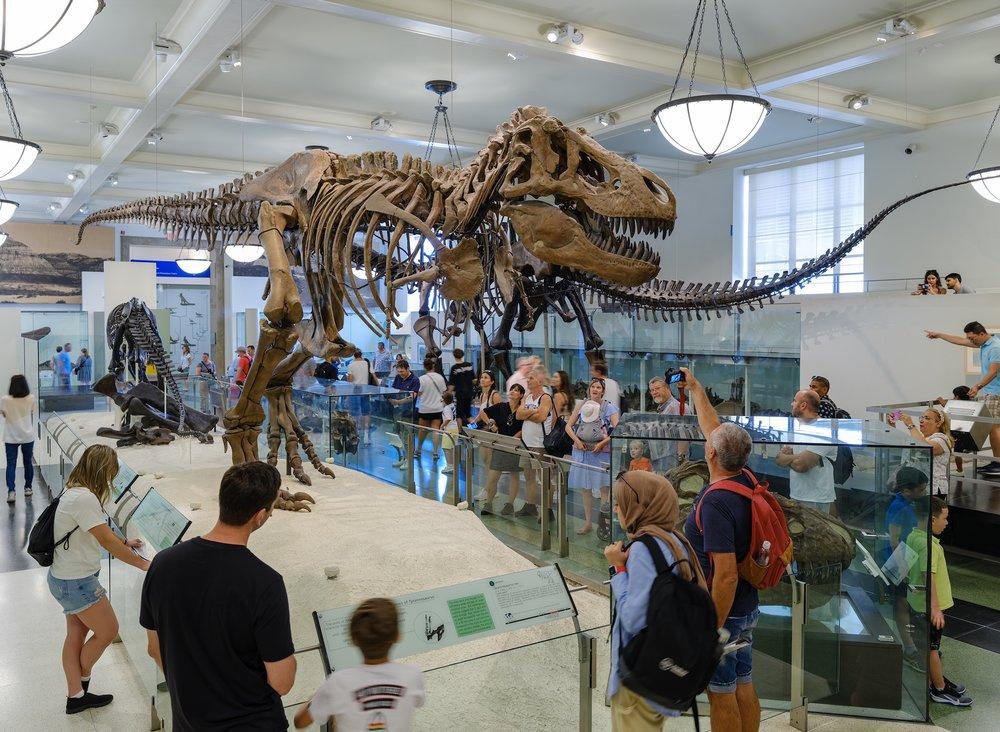
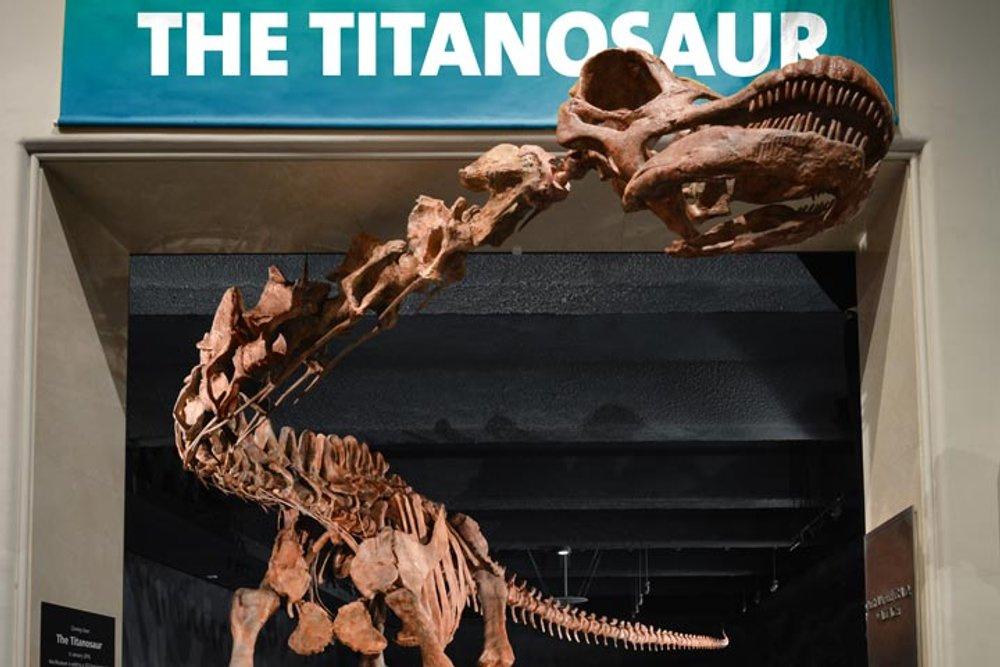
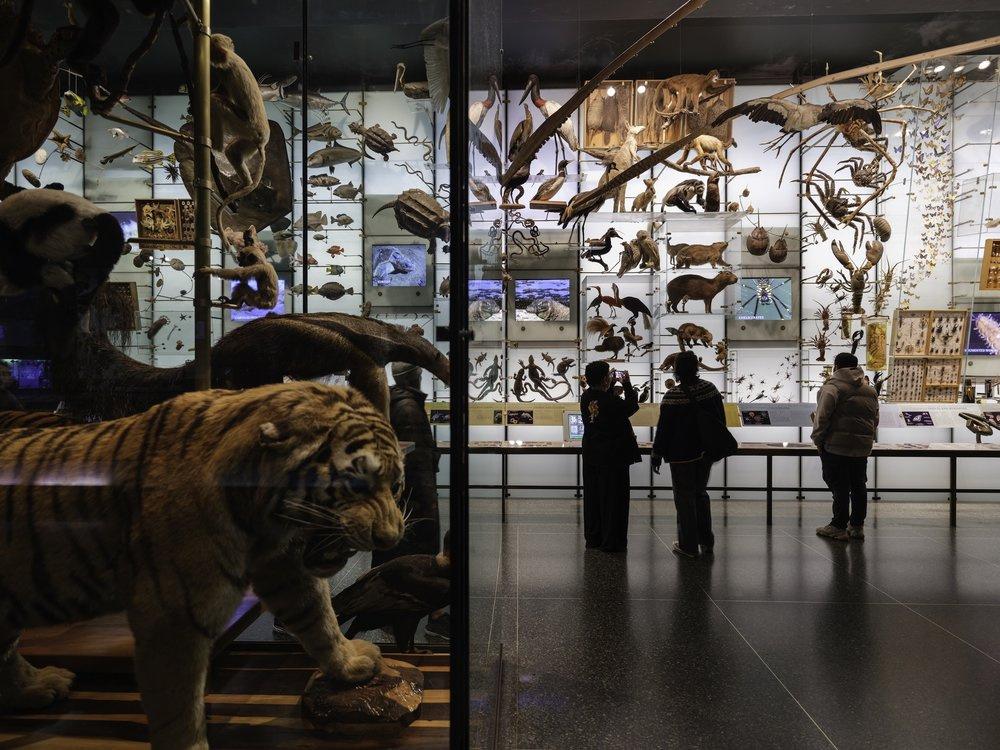
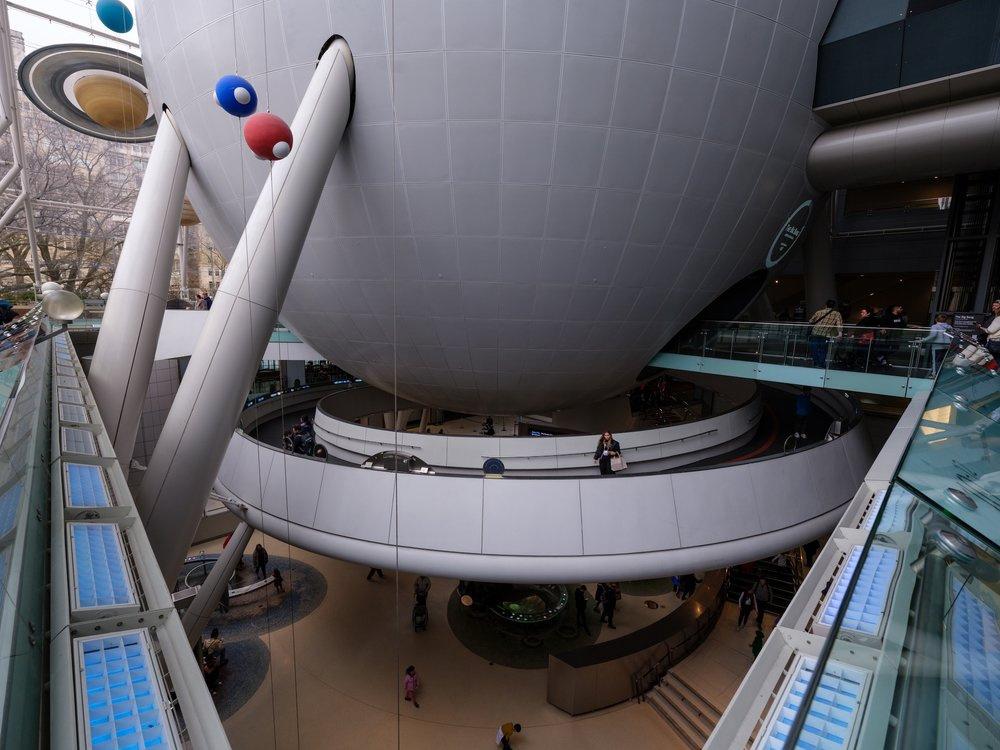
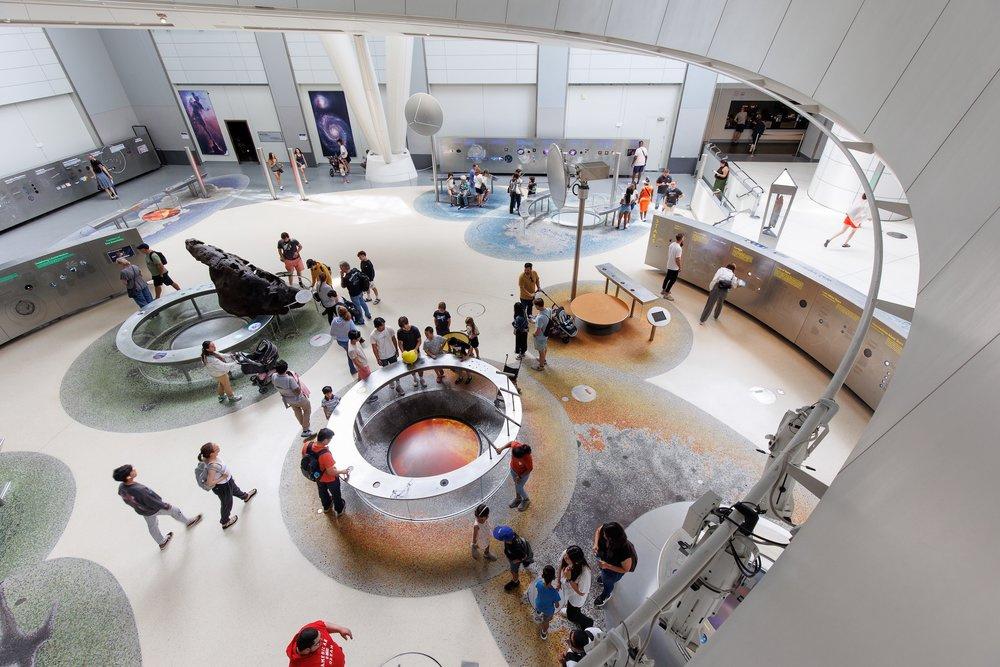
There’s so much to explore at one of the world's top museums: iconic fossils such as T. rex, world-renowned dioramas, a life-size blue whale model, the Hayden Planetarium, and the new Gilder Center. See how nature informed the Center's bold design, and check out the exhibits, including an insectarium with live insects from 18 species and Invisible Worlds, an immersive experience revealing the connections between all life on Earth.
© American Museum of Natural History
© American Museum of Natural History
Highlights
01.
Celebrate sports victories at the Museum with For the Win: Objects of Sports Excellence, a special exhibition on view through Jan. 3, 2027, showcasing championship rings, trophies, medals, and jewelry from legendary athletes and teams. Then team up with the whole family for kicking, goalkeeping and free play in the all-ages interactive playspace Goal Zone, open through Sep. 13.
02.
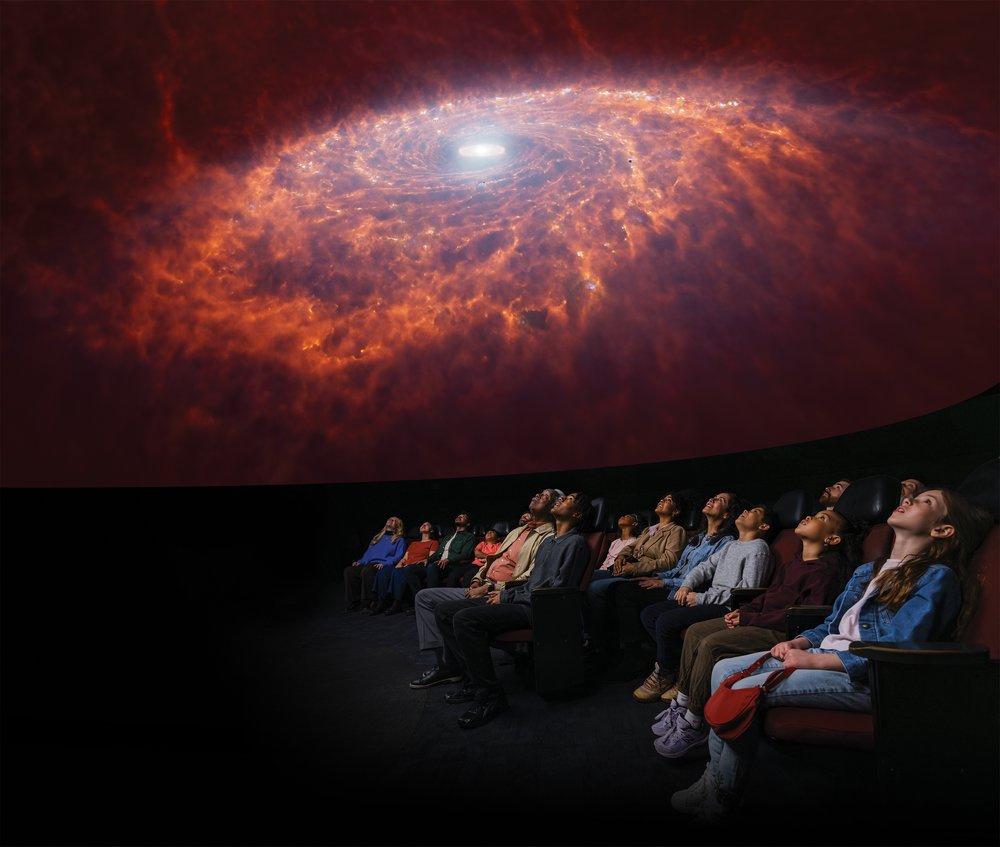
Reach billions of years into the past and peer millions of years into the future with Encounters in the Milky Way, a Hayden Planetarium Space Show narrated by Pedro Pascal. This time-traveling journey explores the cosmic movements that shape our galactic neighborhood.
03.
Visit the Museum's new Richard Gilder Center for Science, Education, and Innovation to explore the Solomon Family Insectarium, stand with live butterflies, and examine floor-to-ceiling displays of the Museum's scientific collections across three levels.
© American Museum of Natural History
© American Museum of Natural History
Visit American Museum of Natural History with CityPASS®
CityPASS® tickets offer multiple great ways to see American Museum of Natural History. No matter which you choose, you'll save.




Advice for Visitors
Tips
Special Opportunity: Catch world soccer action this summer on the giant screens in the Museum's LeFrak Theater, Cullman Hall of the Universe, and Global Sports Pavilion. Beginning June 11, the Museum will show all tournament matches, with extended Museum hours during evening games; watch parties are included with admission.
Visit before noon on weekends when it's typically less crowded. You may encounter longer security lines when the Museum first opens.
To get the full experience, allow about four hours for your visit. If you're short on time, don't miss the Museum's new Richard Gilder Center for Science, Education, and Innovation.
Download the free Explorer app for turn-by-turn directions during your visit (available in four languages).
Visit Ology, AMNH's website just for kids.
Don't miss some insider tips on the CityPASS® Blog, straight from the experts at the Museum.
CityPASS®, C3® and C-ALL® guests may enter through three different entrances at the Museum: Central Park West (at 79th Street); the Rose Center for Earth and Space on West 81st Street; and the Gilder Center for Science, Education, and Innovation at 79th and Columbus. Wait times at the Gilder Center are typically shorter.
Learn more on the CityPASS® Blog about what you'll see at the American Museum of Natural History.
Attraction Features
Amenities
Dining: Visit the Museum's website for updated information.
Shopping: Visit the Museum's website for updated information.
Accessibility
The American Museum of Natural History welcomes all visitors and strives to make its exhibitions and programs accessible to everyone. Visit the Museum's website for detailed information on services for guests with specific needs.
Parking/Transportation
Get directions and information on parking and transportation.
Offers & Upgrades
Ticketed Exhibitions
New York CityPASS®, C3®, and C-All® tickets include one ticketed exhibition; guests may purchase admission to additional exhibitions at the Museum. Cost: Varies
Contact Information & Hours
- AMNH 79th Street Entrance at Central Park West
- 200 Central Park West
- New York, NY 10024
- (212) 769-5100
- amnh.org
- Daily: 10am-5:30pm
Check for temporary hall closures when planning your visit.
Closed: Thanksgiving (fourth Thursday of November) and Christmas Day (Dec. 25)
- AMNH 81st Street Entrance at Rose Center
- 81st Street between Central Park West and Columbus Avenue
- New York, NY 10024
- (212) 769-5100
- amnh.org
- Daily: 10am-5:30pm
Check for temporary hall closures when planning your visit.
Closed: Thanksgiving (fourth Thursday of November) and Christmas Day (Dec. 25)
- AMNH Columbus Avenue Entrance at Gilder Center
- 415 Columbus Ave., New York, NY 10024
- New York, NY 10024
- (212) 769-5100
- amnh.org
- Daily: 10am-5:30pm
Check for temporary hall closures when planning your visit.
Closed: Thanksgiving (fourth Thursday of November) and Christmas Day (Dec. 25)
© American Museum of Natural History
© American Museum of Natural History
Read reviews from CityPASS® travelers.
See the finest attractions in New York City.
Get inspired. #citypass
Plan your visit.
The My CityPASS® app has all of the details you need for a great experience, including reservation and entry information, attraction details, maps, and extra offers and discounts from our partners.
All images courtesy of American Museum of Natural History / Header image: D. Finnin / Attraction video may show upgraded experiences.